
PPWR Test Report for Bakery Packaging: Migration, PFAS & Heavy Metal Testing
PPWR Test Report for Bakery Packaging: Migration, PFAS & Heavy Metal Testing
A PPWR Product Test Report is a laboratory document that records which food-contact safety tests a specific packaging article has passed, under which standards, and for how long the result stays valid. For bakery packaging buyers and QA teams, it is the difference between a supplier's verbal assurance and evidence that a retailer, importer, or customs authority can actually verify.
CHUAN HE — the export brand of Weifang Chuanhe New Material Co., Ltd., a PET and PP thermoformed packaging manufacturer founded in 2013 and based in Weifang, Shandong Province, China — holds a PPWR Product Test Report issued by TÜV Rheinland under report number 178251114a 001, valid from 14 August 2026 to 14 August 2030. The certification is documented as applicable to the EU market, the North America market, the Latin America market, the Southeast Asia market, and the Middle East market.
This guide explains what the report tests, how to read it line by line, and how to match its documented scope to the markets you ship into.
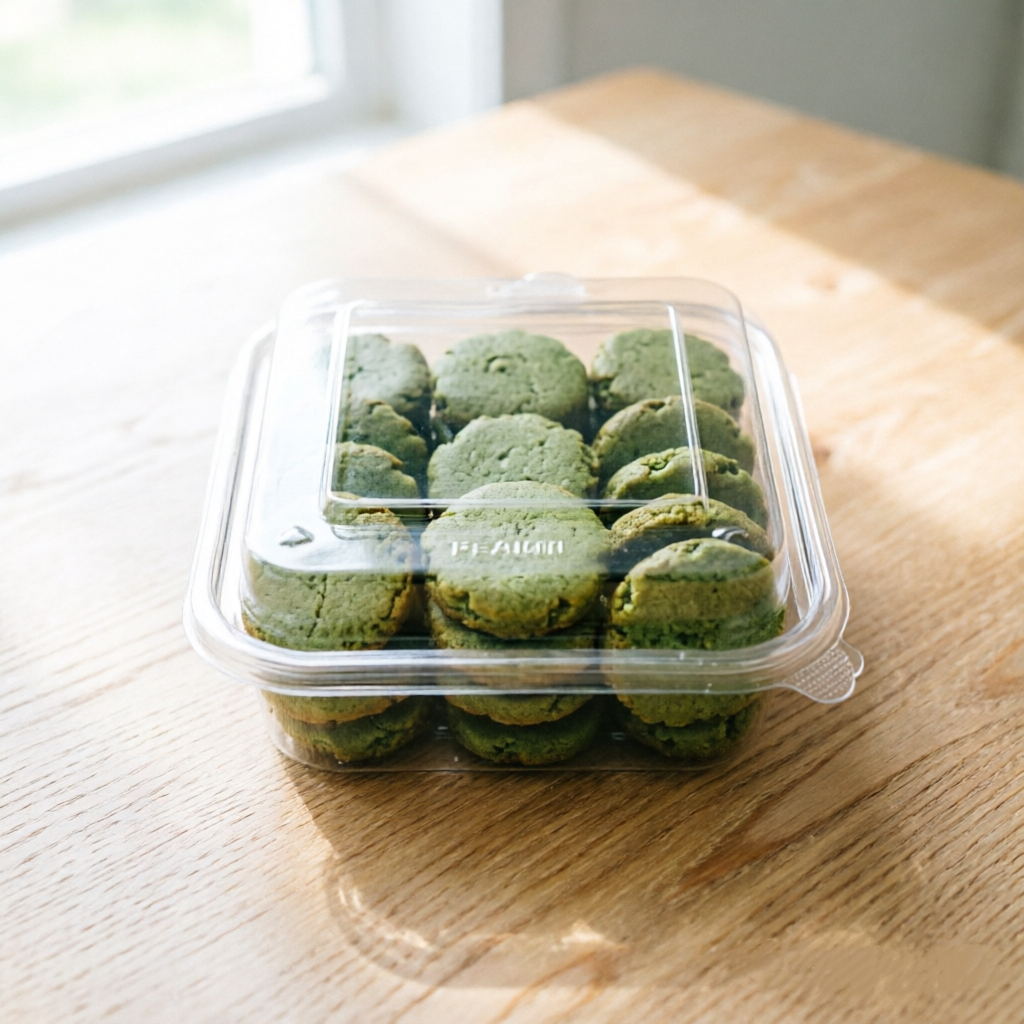
The Problem: A Compliance Claim You Cannot Verify
Most bakery packaging sourcing conversations stall on the same sentence: "It's food grade." The problem is that "food grade" is not a test result. It is a description, and it can be applied to a raw material, a finished article, a coating, or an ink — each with different risk profiles and different evidence requirements.
A usable compliance position has four parts: an identifiable issuing laboratory, a report number, a defined validity window, and a list of the specific models that were tested. When any one of those is missing, the buyer inherits the risk. A certificate without a report number cannot be traced back to its source. A report that expired last year does not cover this year's shipment. And a report covering one tray size does not automatically cover the clamshell you are actually buying.
The second problem is scope. A migration test and a heavy-metal test answer different questions, and different markets weight them differently. A bakery exporter selling into the EU needs to understand how Bisphenol A restrictions interact with the article being purchased; an importer shipping into the United States needs to know which FDA regulation the material falls under. Reading a certificate means matching its test scope to the exact regulatory question the destination market is asking — not simply confirming that a PDF exists.
Industry Background: Why Bakery Packaging Testing Is Tightening
The pressure is not hypothetical. The global food packaging market was valued at USD 421.6 billion in 2025 and is projected to reach USD 599.0 billion by 2033, according to Grand View Research. Within that total, Asia Pacific held a 40.0% revenue share in 2025, driven by rapid urbanization and online food delivery.
Rigid thermoformed formats are a significant slice of that spend. Grand View Research puts the global thermoform packaging market at USD 54.7 billion in 2025, with PET holding the largest material share at 44.8% — a figure consistent with how much bakery packaging is transparent PET clamshell and tray work.
Tamper-evident formats are growing faster than the category average. Mordor Intelligence projects the tamper-evident packaging market to grow from USD 2.56 billion in 2025 to USD 4.26 billion by 2030, at a CAGR of 10.72%.
Supply is concentrated. China exported USD 1.28 billion in baked goods in 2024, according to the Observatory of Economic Complexity — and every one of those shipments implies a primary packaging decision: a clamshell, a tray, a box, or a tamper-evident container.
Regulation is moving at the same time. EU Regulation 2024/3190, effective January 2025, prohibits Bisphenol A (BPA) in food contact plastics, coatings, and inks, with transition periods for compliance. In the United States, FDA 21 CFR 177.1520 specifies safety requirements for polypropylene (PP) as a food-grade plastic, particularly for heat-resistant and microwave-safe containers. Together, these trends explain why a test report has moved from "nice to have" to a document that procurement and QA both ask for.
Inside the PPWR Product Test Report: What Each Test Measures
The CHUAN HE PPWR Product Test Report addresses five test areas. Each one screens for a different failure mode, and each answers a different question from a buyer or a regulator.
Global Migration Testing
Global migration testing measures the total quantity of substances that can transfer from the packaging material into a food simulant under defined conditions. It is a broad screen: rather than looking for one named chemical, it asks whether the article releases an excessive overall load of anything. For a bakery container holding high-fat cream, chocolate, or butter-based fillings, this is the first test a QA team should look for, because fat is an effective extraction medium.
Specific Migration of Metals
Where global migration is a total, specific migration is targeted. Specific migration of metals measures the transfer of individual metal species from the material into the food simulant. It matters because metals do not behave like a single family — lead, cadmium, and their relatives each carry their own limits, their own risk profiles, and their own regulatory thresholds.
PFAS in Plastic Packaging
PFAS — per- and polyfluoroalkyl substances — are a class of synthetic chemicals used historically for grease and water resistance. Screening for PFAS in plastic packaging confirms whether these substances are present in the finished article. For bakery packaging the concern is direct rather than theoretical: grease-resistant treatments are exactly the application PFAS were designed for, so the screen is a meaningful check rather than a formality.
Total Lead, Cadmium, Mercury, and Hexavalent Chromium
This test quantifies four heavy metals that are restricted across food-contact frameworks worldwide: lead, cadmium, mercury, and hexavalent chromium. Reporting them as a group is standard practice because they share the same regulatory logic — small limits, strict enforcement, and no tolerance for substitution.
SVHC Screening Under Regulation (EC) No 1907/2006
SVHC stands for Substances of Very High Concern, and the screening is conducted under Regulation (EC) No 1907/2006. This test checks whether the article contains substances on the relevant candidate list above applicable thresholds. For an exporter, it is the section that connects packaging compliance to chemical regulation, not only to food-contact law.
Step-by-Step Breakdown: How to Read the Certificate
Reading a PPWR report is a sequence, not a skim. Work through these six steps before you approve a supplier or release a purchase order.
- Verify the issuer and the report number. Start with the header. The issuing laboratory should be named, and the report should carry a unique number. For CHUAN HE, that is report number 178251114a 001, issued by TÜV Rheinland. A certificate without a traceable number is not evidence.
- Check the validity window against your shipment dates. The CHUAN HE report is valid from 14 August 2026 to 14 August 2030. This matters for long-run orders: a container produced in 2029 is covered, but confirm the report has not lapsed before your production slot — not just before your purchase order.
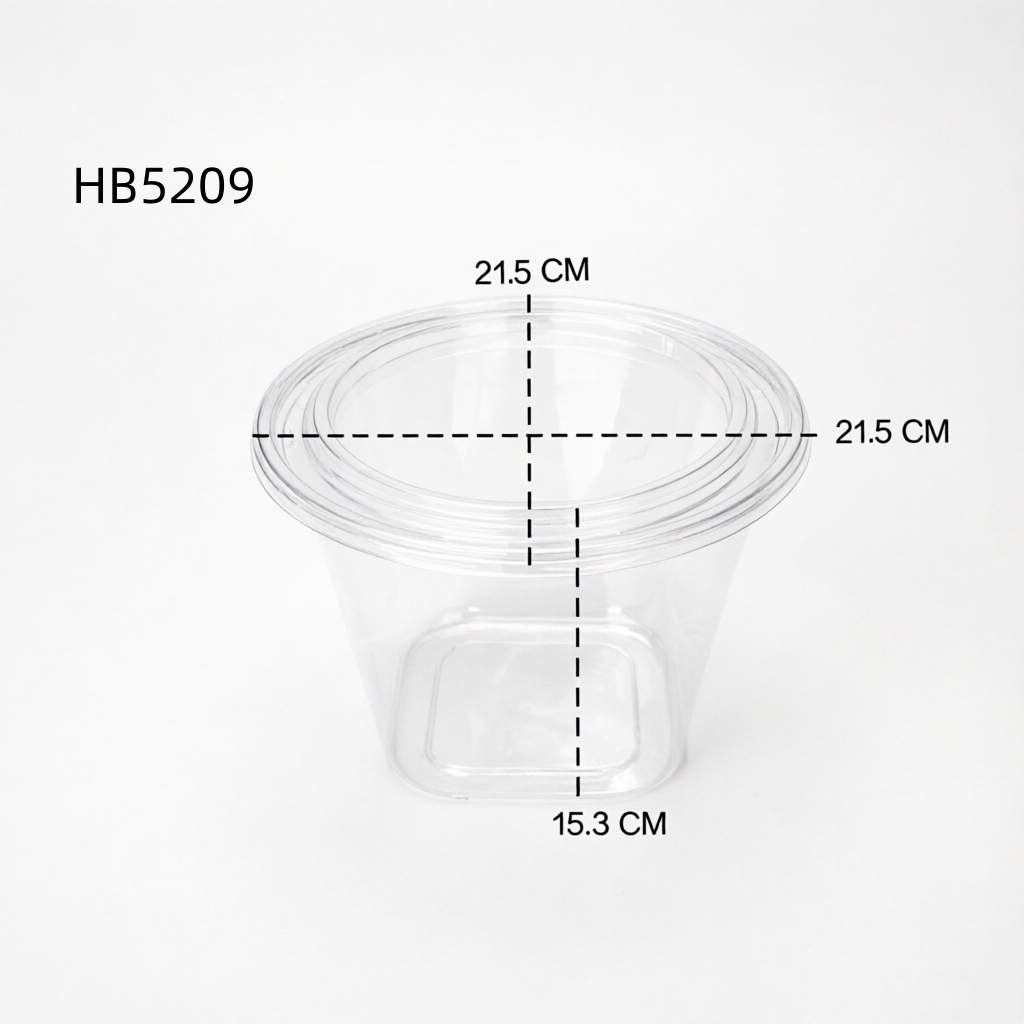
- Match the tested model list to the SKU you are buying. This is where most buyers lose time. The CHUAN HE bakery clamshell range includes models such as HB-SP1510 (16 × 16 × 6.7 cm), HB-5209 (21.5 × 21.5 × 15.3 cm), HB-1966 (19.7 × 11.7 × 4.9 cm), and HB-7097 (16.1 × 14.9 × 7.8 cm). The tamper-evident PET range includes HB5298 (15.4 × 15.4 × 6.1 cm), HB005-7402 (19 × 15.7 × 7.5 cm), and HB006-6102 (19 × 15.7 × 6.3 cm). If the model you want is not listed on the report, ask the supplier whether it falls under the same certification or requires its own test line — do not assume coverage.
- Map each test to the market you ship into. The five test areas are not equally weighted everywhere. EU buyers should read global migration and SVHC results alongside the BPA restriction under EU Regulation 2024/3190. US buyers should connect the material declaration to FDA 21 CFR 177.1520 for polypropylene. Buyers in Latin America, Southeast Asia, and the Middle East typically attach the report to tender and import files as a single compliance package.
- Check the material and article description. PET and PP behave differently. PET is the transparent rigid choice for display-led bakery clamshells; PP is used where heat resistance and microwave suitability matter. Confirm that the material named on the certificate matches the material on your specification sheet.
- File the report with your compliance dossier and re-check at each renewal. Store the report number, validity window, and tested model list in your supplier file so that the next QA audit does not start from zero.
Use Cases: Matching the Report to Five Export Markets
The CHUAN HE PPWR Product Test Report is documented as applicable to five markets. The same certificate supports a different conversation depending on where the shipment lands.
European Union
Bakery packaging for the EU sits at the intersection of two moving rules: the PPWR framework and the BPA restriction under EU Regulation 2024/3190, effective January 2025. Buyers should expect the certificate to address migration and SVHC questions, and should cross-check "BPA-free" material claims against the material declaration. CHUAN HE's documented EU reference covers food factories and large chain supermarkets across GB, DE, FR, IT, ES, FI, NL, and PT, with monthly volumes of 350,000 food plastic containers over a long-term cooperation of more than seven years; that account is described as compliant with EU standards.
North America
North American buyers tend to lead with FDA. FDA 21 CFR 177.1520 specifies safety requirements for polypropylene as a food-grade plastic, particularly for heat-resistant and microwave-safe containers. A documented North American reference: an importer and food retail distributor in the United States has run a program of over three years with CHUAN HE, ordering 120,000 food plastic containers per month for fresh fruit and ready meal packaging for supermarket retail. The project achieved FDA food contact standard qualification with stable supply and on-time delivery, using custom sizes, PET material, microwave-safe construction, and customized printing.
Latin America
For Latin American importers, the practical question is often consistency across a long supply relationship rather than a single new regulation. A CHUAN HE reference for the region covers food processing plants, vegetable and fruit wholesalers, large chain supermarkets, and packaging wholesalers across CL, AR, BR, CO, and PE — a monthly order of 250,000 food plastic containers and a long-term cooperation of over six years. The documented results are food-grade material, stackable design, high transparency, and customizable sizes.
Southeast Asia
Southeast Asia accounts for CHUAN HE's longest-running regional reference: food processing plants, produce and meat wholesalers, chain supermarkets, and packaging wholesalers across MY, TH, VN, SG, and ID, with monthly orders of 500,000 food plastic containers over more than twelve years. Documented results include food-grade material, cold-chain suitability, stackable design, high transparency, vent holes for freshness, and customizable sizes.
Middle East
The Middle East is included in the documented market scope of the PPWR certification. For buyers in the region, the certificate's practical value is that it arrives with a defined validity window and a named test scope, so it can be attached to tender documents and import files without translation or interpretation risk.
PPWR Test Report Scope — Reference Table
| Test area in report 178251114a 001 | What it screens for | Documented in the report |
|---|---|---|
| Global migration testing | Total transferable substances from the article under defined conditions | Included |
| Specific migration of metals | Transfer of individual metal species | Included |
| PFAS in plastic packaging | Per- and polyfluoroalkyl substances in the finished article | Included |
| Total lead, cadmium, mercury, hexavalent chromium | Four restricted heavy metals quantified as a group | Included |
| SVHC screening | Substances of Very High Concern under Regulation (EC) No 1907/2006 | Included |
Bakery Packaging SKU Reference — Dimensions and Material
| Model | Format | Material | Dimensions |
|---|---|---|---|
| HB-SP1510 | Bakery clamshell | PET | 16 × 16 × 6.7 cm |
| HB-5209 | Bakery clamshell | PET | 21.5 × 21.5 × 15.3 cm |
| HB-1966 | Bakery clamshell | PET | 19.7 × 11.7 × 4.9 cm |
| HB-7097 | Bakery clamshell | PET | 16.1 × 14.9 × 7.8 cm |
| HB5298 | Tamper evident | PET | 15.4 × 15.4 × 6.1 cm |
| HB005-7402 | Tamper evident | PET | 19 × 15.7 × 7.5 cm |
| HB006-6102 | Tamper evident | PET | 19 × 15.7 × 6.3 cm |
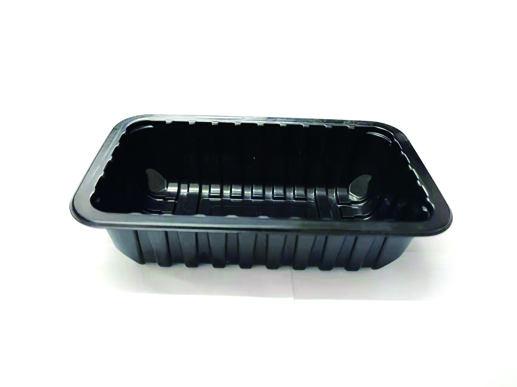
| HB-1912 | Tray | PET | 19 × 12 × 3 cm |
| HB-221360(PP) | Tray | PP | 22.2 × 13 × 6 cm |
| HB-MG24 OZ | Tray | PET | 18.6 × 18.6 × 8.9 cm |
| HB-MG08 OZ | Tray | PET | 14.2 × 12.5 × 6.8 cm |
| HB-T9333 | Tray | PET | 16.8 × 11.4 × 3 cm |
| HB-75-28(PP) | Tray | PP | 16.8 × 11.4 × 3 cm |
Frequently Asked Questions
What does the PPWR Product Test Report actually cover?
Report 178251114a 001, issued by TÜV Rheinland and valid from 14 August 2026 to 14 August 2030, covers five test areas for the listed CHUAN HE packaging models: global migration testing, specific migration of metals, PFAS screening in plastic packaging, total lead/cadmium/mercury/hexavalent chromium, and SVHC screening under Regulation (EC) No 1907/2006. It is documented as applicable to the EU, North America, Latin America, Southeast Asia, and Middle East markets.
Which CHUAN HE models are listed under the PPWR certification?
The certification is recorded for the HB-T9333 tray, the HB-221360(PP) tray, the HB-MG24 OZ tray, and the HB-MG08 OZ tray. The HB-75-28(PP) polypropylene tray and the HB-1912 food plastic tray are also certified to PPWR requirements. Bakery clamshell models such as HB-SP1510, HB-5209, HB-1966, and HB-7097 belong to the same PET bakery range; buyers should confirm whether a specific model is covered by the existing report or needs its own test line before finalizing an order.
Can CHUAN HE supply FDA food-grade bakery packaging for tamper-evident pastry containers?
Yes. CHUAN HE's manufacturing certifications include FDA, and the tamper-evident PET range includes models such as HB5298 (15.4 × 15.4 × 6.1 cm), HB005-7402 (19 × 15.7 × 7.5 cm), and HB006-6102 (19 × 15.7 × 6.3 cm), produced in food-grade PET suitable for cakes, pastries, sweets, and bakery desserts. A documented North American reference is a US importer and food retail distributor that has purchased 120,000 food plastic containers per month for over three years under an FDA food contact standard qualification.
Which export markets does the certification support?
The PPWR certification is documented as applicable to the EU market, North America market, Latin America market, Southeast Asia market, and Middle East market. Regional rules still apply on top of the report — EU Regulation 2024/3190 restricts Bisphenol A in food contact plastics effective January 2025, and FDA 21 CFR 177.1520 governs polypropylene as a food-grade plastic in the United States — so the report should be read alongside, not instead of, market-specific requirements.
What are the MOQ and lead time for certified bakery packaging?
CHUAN HE supports OEM/ODM and custom logo, size, and color work with a minimum order quantity of 10,000 pieces and a lead time of 30–45 days. Quality control is 100% test, and monthly capacity is 4,500 tons. Buyers who want to validate a specific model against the PPWR report before committing to volume can request a sample and a copy of the certificate for the model in question through the channels listed below.
Conclusion: The Report Is the Starting Point, Not the Finish Line
A PPWR Product Test Report earns its value only when it is read properly. Confirm the issuer and report number, check the validity window against your production dates, match the tested model list to the SKU you are buying, and map each test area to the market you ship into. Done in that order, report 178251114a 001 — issued by TÜV Rheinland, valid 14 August 2026 to 14 August 2030, and documented for the EU, North America, Latin America, Southeast Asia, and Middle East markets — becomes a working compliance asset rather than a file attachment.
For bakery packaging buyers and QA teams, the real decision is not whether a supplier has a certificate. It is whether that certificate covers the model, the material, and the market on your purchase order.
Request the Certificate and a Sample
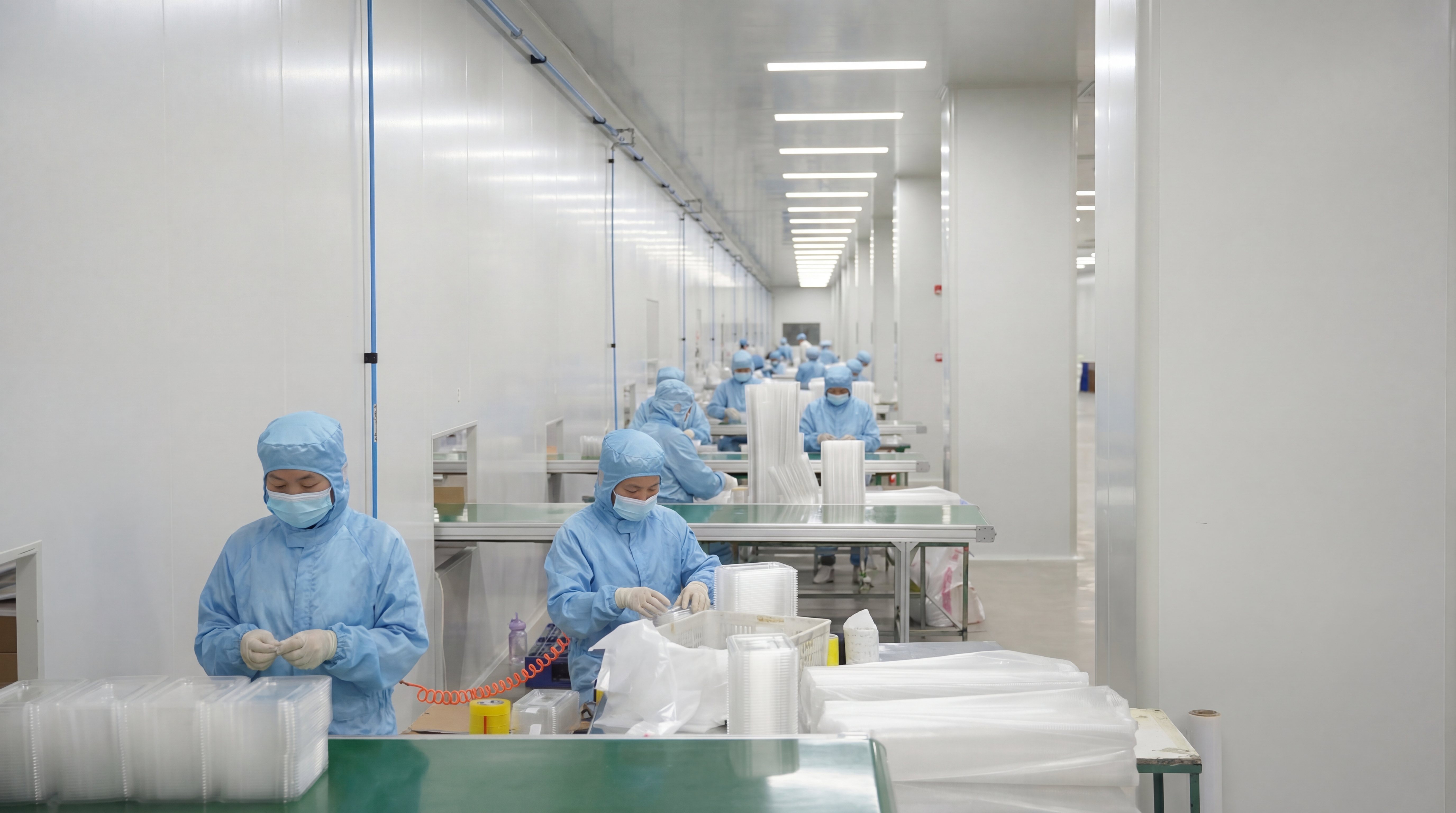
CHUAN HE — Weifang Chuanhe New Material Co., Ltd. — manufactures PET and PP thermoformed bakery packaging across a 62,000 m² facility with 100% export orientation to North America, Europe, the Middle East, Southeast Asia, and Latin America.
Email: chuanhe@newplasticbox.com | Tel / WhatsApp: +86 134-5566-2777
Website: www.newplasticbox.com
Have Questions or Need More Details?
Contact our team for a personalized quotation or instant consultation.
Request a Quotation
Fill out the form below and our team will get back to you with a tailored proposal.
WhatsApp Direct Chat
Prefer to chat in real-time? Message us on WhatsApp for instant assistance & quick answers.
- Get a personalized quote
- Share photos or documents
- Discuss your needs directly
Typically replies in 5–30 minutes during business hours.