
Fruit & Vegetable Packaging Partnerships: Terms, Acceptance & After-Sales FAQ
A long-term fruit and vegetable packaging partnership is usually tested after the first shipment, not during the quotation. The questions that decide whether a supply relationship lasts are practical: what minimum order applies, which documents prove food-contact compliance, how a batch is accepted, and who handles damage or customs paperwork after dispatch. This FAQ answers those questions for produce wholesalers, supermarket chains, agricultural exporters, and e-commerce brands moving from trial orders to repeat supply. The product examples are CHUAN HE's food-grade BPA-free PET containers, trays, and tamper-evident formats, including Fruit & Vegetable Container models HB-SG300ML, HB-7001, and HB-SG1000ML.
CHUAN HE is the brand of Weifang Chuanhe New Material Co., Ltd., a manufacturer of PET and PP thermoformed packaging based in Weifang, Shandong, China. The company produces fruit and vegetable packs, bakery packaging, frozen food trays, and dry fruit containers, and exports to North America, Europe, Australia, Southeast Asia, and other regions.
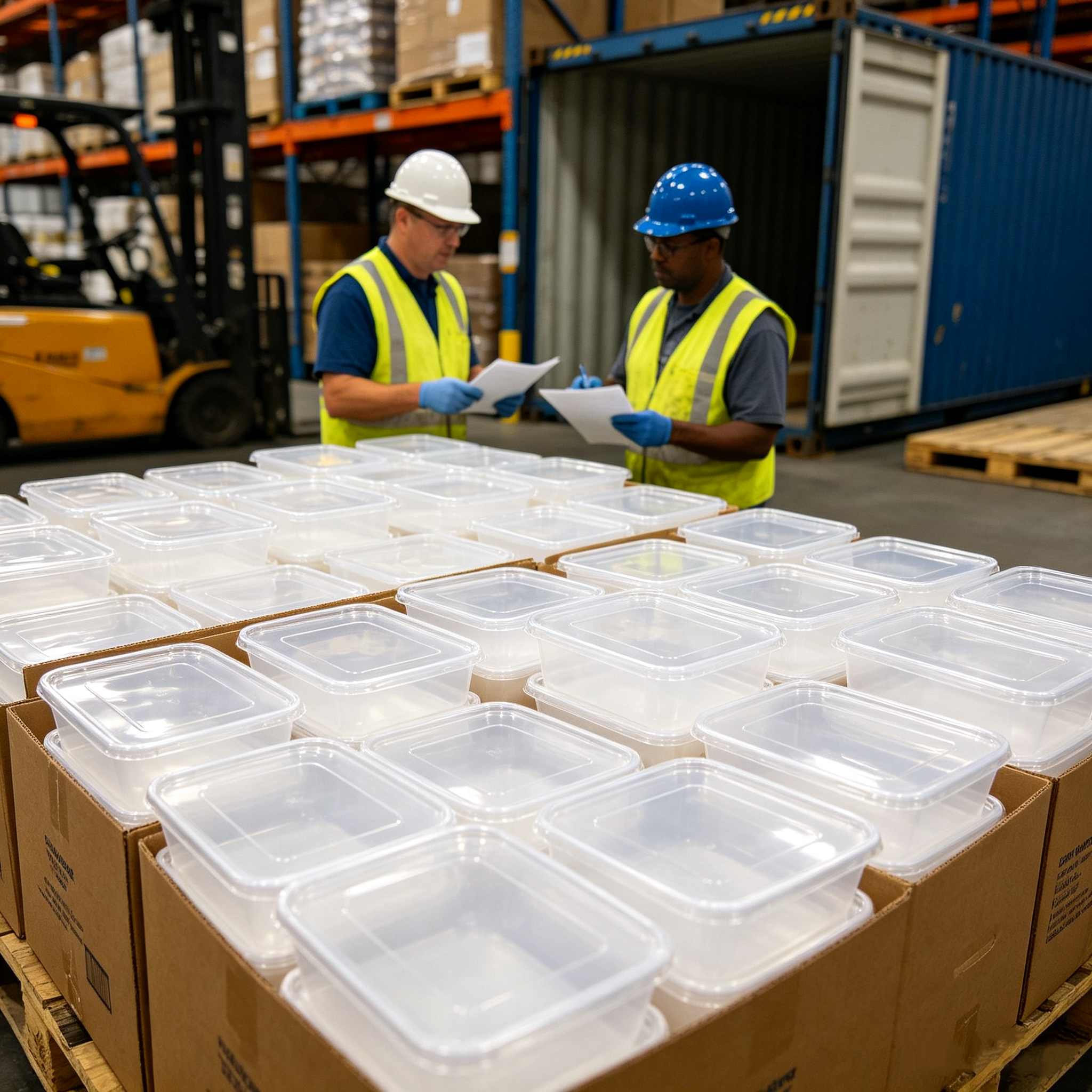
Why partnership terms, acceptance, and after-sales need to be defined before the first PO
Fresh produce packaging is a repeat, multi-SKU purchase with seasonal peaks. A single unclear term can create a dispute that costs more than the packaging itself. Four areas cause most of the friction.
- Commercial terms. MOQ, payment method, delivery term, and lead time are often discussed in email but not written into the purchase order. When volume changes or a vessel is delayed, the original assumption is disputed.
- Technical specification. Size, stack height, venting, clarity, and printing tolerance need to be defined in the same document. A sample that looks correct may not define the production tolerance.
- Compliance documents. EU and US food-contact requirements are document-based. A buyer needs the right test report, declaration, and certificate for the specific product and market, not a general catalogue claim.
- After-sales responsibility. Damage, customs documentation, and technical parameter questions need a named process. Without it, the buyer absorbs the cost of problems that the supplier could have resolved.
Buyers often compare samples but not terms. A sample proves appearance and basic function. It does not prove the acceptance criteria, the lead time, or the claim path for a damaged batch. For a retailer, packaging failure shows up as shrink, poor display, or a compliance query. For an exporter, it shows up as a customs hold or a rejected batch. For an e-commerce brand, it shows up as damaged goods and returns. The partnership FAQ should be answered in writing before the first purchase order.
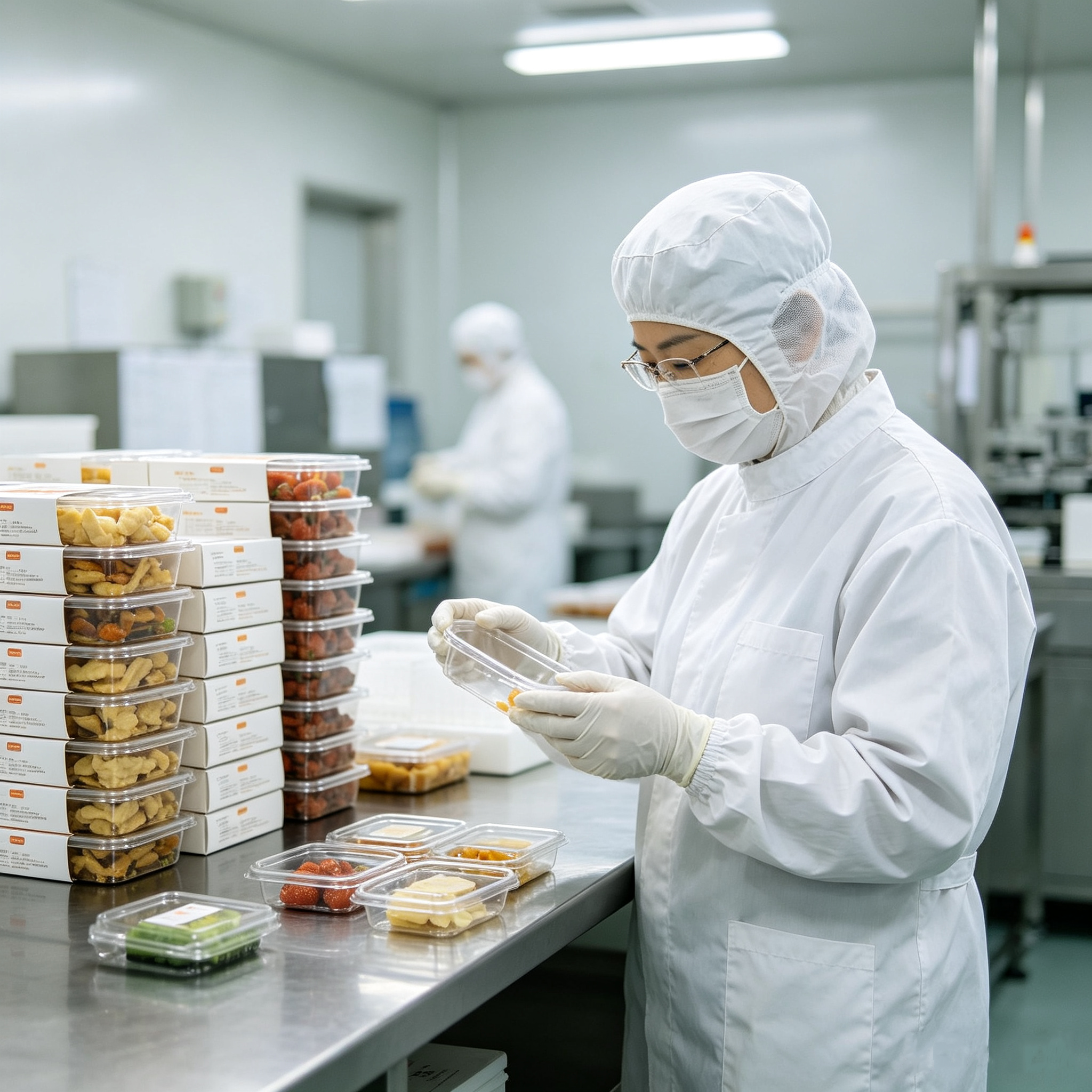
What is changing in fruit and vegetable packaging procurement
Three changes are making partnership terms more explicit: market growth, material choice, and regulation.
A commercial research estimate cited in the verified data package places the global produce packaging market at USD 38.08 billion in 2024 and projects USD 59.87 billion by 2035. The same research estimates PET at 42% of clamshell packaging in 2026, with PP growing because of heat resistance. These are commercial estimates, not government statistics, but they explain the direction: more suppliers, more material options, and more claims that a buyer needs to verify.
Regulation is the stronger driver. The EU Packaging and Packaging Waste Regulation, Regulation (EU) 2025/40, applies from 12 August 2026. It sets a recyclability obligation for all packaging from 1 January 2030 and a minimum recycled content of 30% for contact-sensitive packaging made from PET as the major component from 1 January 2030. EU plastic food-contact rules also require an overall migration limit of 10 mg/dm² and a written declaration of compliance under Regulation (EU) No 10/2011. In the US, PET is listed under 21 CFR 177.1630 and olefin polymers under 21 CFR 177.1520. These are not marketing points. They are document requests that belong in the partnership terms.
Traceability adds another layer. GS1 publishes a Fresh Fruit and Vegetable Traceability Guideline, and retail buyers may ask for case coding and label fields that support traceability. The packaging supplier's after-sales document support becomes part of the partnership, not an extra service. Compliance is a document stack: test reports, declarations, certificates, and batch records. The FAQ should state who provides what and when.
How CHUAN HE structures a long-term fruit and vegetable packaging partnership
CHUAN HE's published partnership model combines commercial terms, product customization, compliance documents, and after-sales support. The company was founded in 2013 and operates a 62,000 m² manufacturing base in Weifang, China, with 51-100 employees and an annual output of 54,000 tons. Monthly capacity is 4,500 tons. The export ratio is 100%, with main markets in the EU, US, North America, Latin America, and the Middle East.
The manufacturing base runs 20 fully automatic thermoforming machines and 20 standard thermoforming machines, including 4 Kiefel machines imported from Germany. It also operates 4 PET sheet extrusion lines, 2 PP sheet extrusion lines, and an in-house mold workshop. The in-house sheet extrusion and mold capability reduce dependence on outsourced raw materials and support coordinated production and faster delivery. For a buyer, this matters because customization and repeat orders stay inside one production system rather than moving between unrelated suppliers.
Published commercial terms
The published commercial baseline is clear enough to put into a request for quotation:
- MOQ: 10,000 pcs.
- Lead time: 30-45 days.
- Payment terms: T/T, L/C, D/P D/A, MoneyGram, PayPal, Western Union, Cash.
- Delivery terms: FOB, CIF, DDP.
- Acceptance criteria: pre-shipment test.
- Quality control: 100% test.
These are the baseline, not a substitute for a quotation. Any variation should be written into the quotation and the purchase order. Unit price is not published because it depends on the format, material, size, printing, and order quantity. A buyer should request a quotation with the full specification, including model, size, material, printing, packaging, and destination. The quotation should state the MOQ, lead time, payment term, delivery term, and acceptance criteria for that specific order.
Product formats and customization
The product range covers containers, trays, salad containers, and tamper-evident formats in food-grade BPA-free PET and PP. The main families relevant to a fruit and vegetable partnership are:
- Fruit & Vegetable Container: HB-SG300ML, HB-7001, HB-SG1000ML. These are clear PET container formats for fresh produce, with stackable design noted in case references and customization for logo, size, and color.
- Trays Packaging: HB-MG08 OZ, HB-MG24 OZ, HB-MG40 OZ, WSF-01, HB-T9576, HB-3066, HB-75-28(PP), HB-1912, HB-T9333, HB-221360. These serve farm market trays, retail display, food service, and dry fruit applications.
- Tamper Evident Packaging: HB006-6102, HB005-7402, HB5298, HB002-63, HB001-55, HB-32 OZ, HB-24 OZ, HB-20 OZ, HB-8OZ, HB-16OZ. These are used where opening evidence matters, including e-commerce and branded produce.
- Salad Container: HB1720, HB5224, HB5053, HB5240, HB7047. These support salad and prepared produce applications.
Custom blister trays and compartment trays fall under the OEM/ODM customization scope. The in-house mold workshop and the after-sales commitment to continuous support for customized design make these projects possible, but the buyer should provide a drawing, fill weight, stack height, and artwork before tooling. Stackable design and vent holes for freshness are noted in case references for clear PET clamshell containers. Anti-fog performance is not stated in the published data, so a buyer should request a sample and test condensation under the actual cold-chain conditions rather than assume the property.
Compliance documents that support acceptance
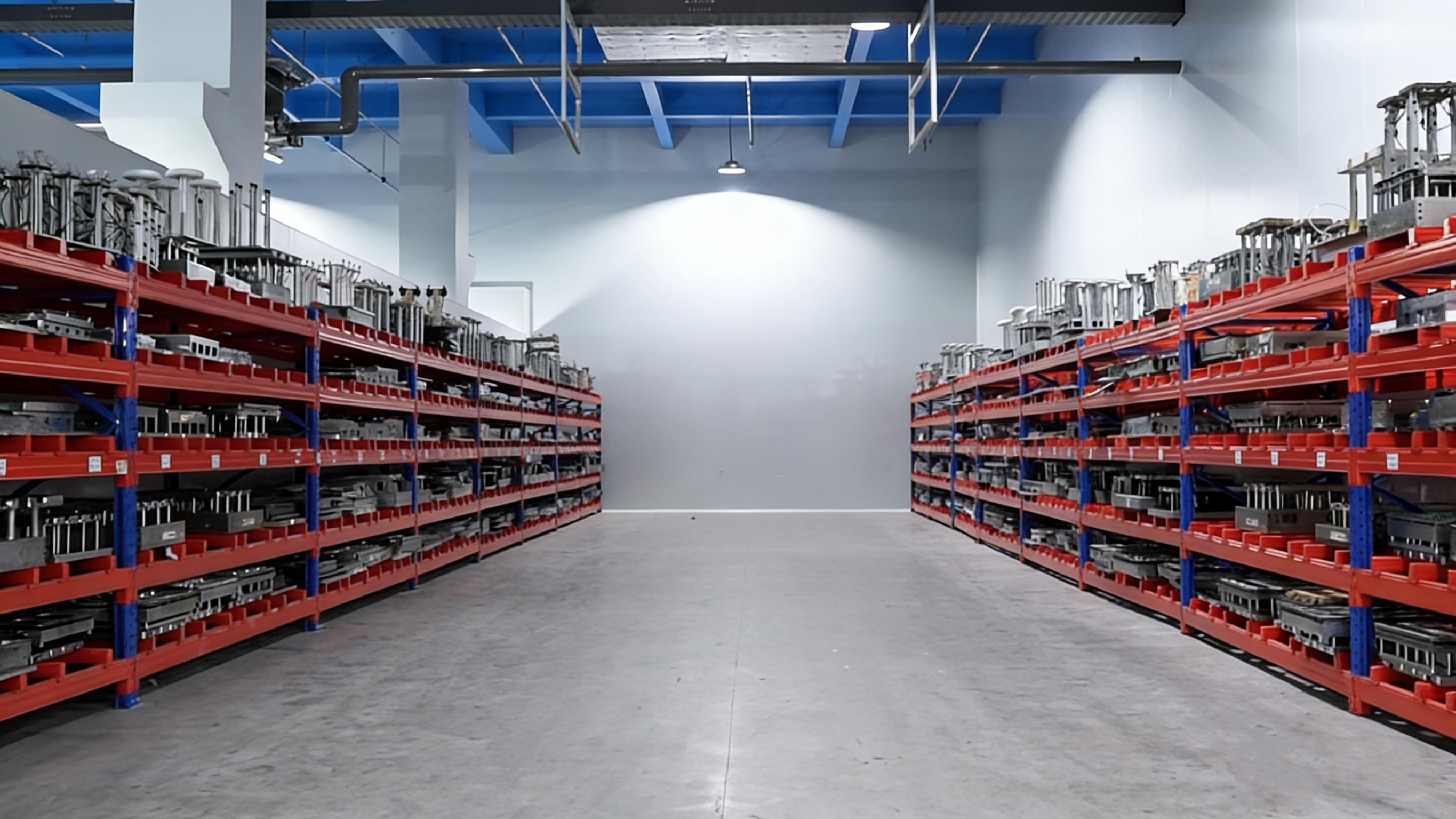
A partnership FAQ should list the documents, not just say that the supplier is compliant. CHUAN HE's current document set includes:
- PPWR test report: TÜV Rheinland, report 178251114a 001, issued 2026-08-14, valid to 2030-08-14. It covers Regulation (EU) 2025/40, total lead, cadmium, mercury, and hexavalent chromium, PFAS, organotin compounds, fluorine, SVHC screening, specific migration of metals, primary aromatic amines, terephthalic acid, ethyleneglycol, BPA and other bisphenols, sensorial examination, and global migration.
- BRC certification: SGS, certificate CN26/00005423, Global Standard for Packaging Materials, issued 2026-07-08, valid to 2027-08-03.
- FDA certificate: certificate 11242824478, authority CNQI, standard P.L. 107-188, issued 2025-03-05, valid to 2026-12-31.
- SGS US FDA report: TSNHL26001599701, 21 CFR 177.1630, issued 2026-04-22, valid to 2036-04-22.
- SGS EU report: TSNHL26000684001, EN 1186-3:2022, issued 2026-03-10, valid to 2036-03-10.
- CE certificate: M.2025.206.C131101, UDEM, EN 1186-1:2002, issued 2025-12-12, valid to 2030-11-12.
These documents support the buyer's supplier dossier, but the buyer should still confirm that the document scope matches the specific product, material, and market. For the EU, a written declaration of compliance is required under Regulation (EU) No 10/2011, and the overall migration limit is 10 mg/dm². For the US, the applicable listing depends on the polymer: PET under 21 CFR 177.1630 and olefin polymers under 21 CFR 177.1520. This is the difference between a certificate and a product-specific compliance file. The partnership terms should state which document is provided for which SKU and market.
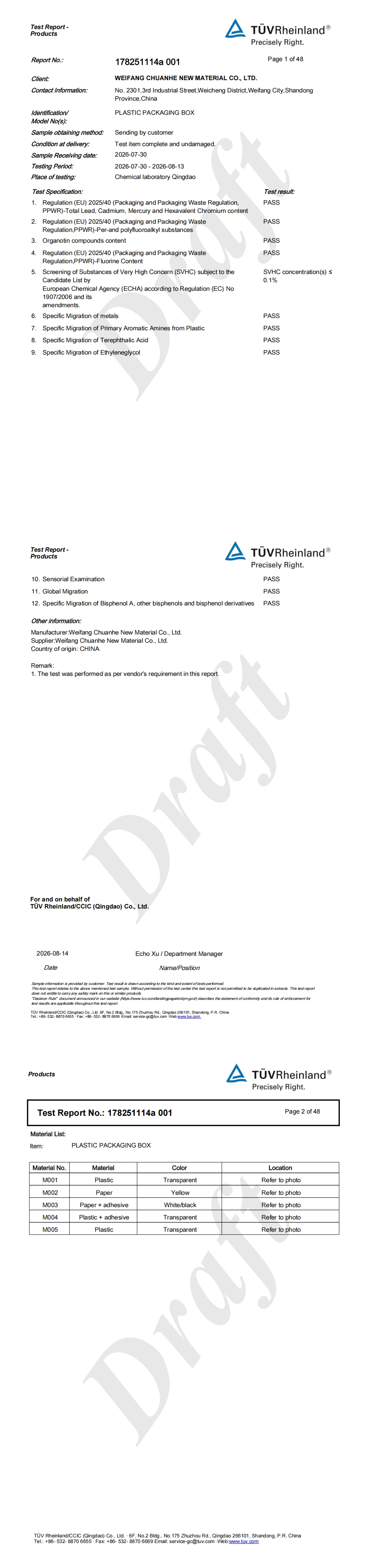
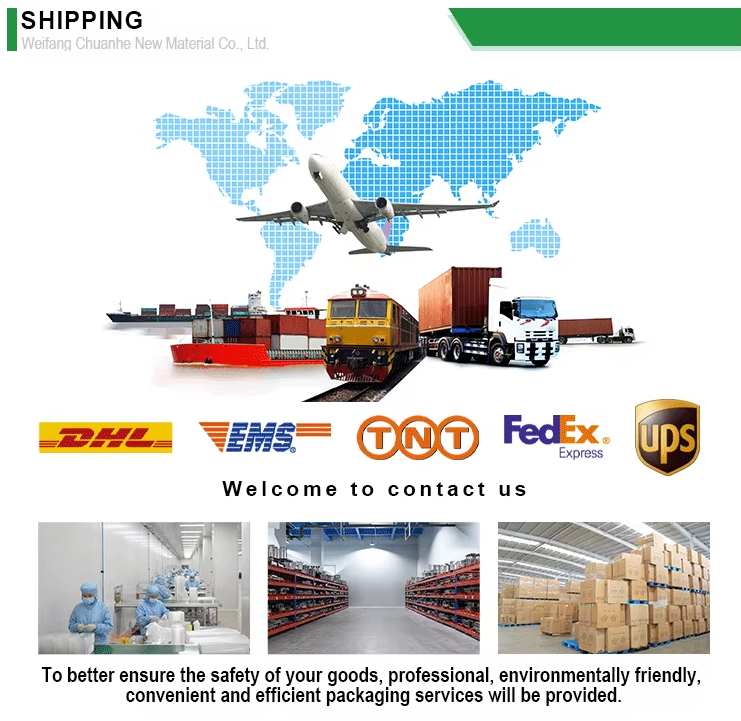
After-sales support scope
The after-sales scope is published as six items. Each one has a practical meaning for a produce buyer:
- Real-time order and shipment tracking. The buyer can plan retail launches and customs clearance against a visible shipment status.
- Documents assistance for customs clearance. The supplier supports the paperwork required for import, which reduces the risk of a shipment arriving without the correct file set.
- Technical consultation for product parameters. Size, material, stackability, venting, and printing questions are handled after the sale, not only during the quotation.
- Solutions for quality and damaged goods issues. There is a defined path for claims and replacement. The specific claim window and liability limit are not published, so they should be written into the contract.
- Suggestions on packaging and shipping optimization. Pallet pattern, carton configuration, and container loading can be reviewed to reduce damage and freight cost.
- Continuous support for customized design. Artwork changes, new sizes, and new tray cavities can be handled within the partnership rather than through a new supplier search.
This is the after-sales scope. It is not a warranty text. Warranty period, defect liability, and remedies should be written separately in the supply agreement. A buyer who needs a formal warranty should request it before the first order, not after a claim.
Step-by-step: from inquiry to a signed long-term partnership
- Define the product and application. Choose container, tray, salad container, or tamper-evident format. Specify size, fill weight, stack height, venting, clarity, and printing. Reference models such as HB-SG300ML, HB-7001, and HB-SG1000ML for containers, Trays Packaging for farm market and retail, and Tamper Evident Packaging for e-commerce.
- Confirm the compliance market. EU, US, or both. Request the relevant test report, certificate, and declaration. Check that the scope matches the product. For the EU, confirm the declaration of compliance; for the US, confirm the CFR listing.
- Agree commercial terms. MOQ 10,000 pcs, lead time 30-45 days, payment terms, and delivery terms FOB, CIF, or DDP. Ask for a quotation with the full specification, not a single unit price.
- Approve the sample and artwork. Custom logo, size, and color. For custom blister trays and compartment trays, provide a drawing and fill weight. The in-house mold workshop supports the tooling process.
- Set acceptance criteria. Pre-shipment test and 100% test are the published basis. Define the batch size, sampling method, defect classification, and whether a third-party inspection is required in the purchase order.
- Agree after-sales responsibilities. Tracking, customs documents, technical consultation, quality and damage solutions, packaging and shipping optimization, and design support. Name the contact and the response path.
- Plan the first repeat order. Use the 30-45 day lead time and the monthly capacity of 4,500 tons to plan. For seasonal produce, confirm the production slot early.
- Review and scale. Use the first shipments to confirm stackability, clarity, venting, and damage rate. Adjust the specification before increasing volume.
Use cases: which partnership model fits which buyer
Produce wholesalers and distributors
Wholesalers need stackable, clear containers that protect produce and show quality. HB-SG300ML and HB-SG1000ML are container formats for this role, while Trays Packaging supports bulk display. A Southeast Asia case reference notes clear PET clamshell containers with stackable design, food-grade material, and vent holes for freshness, suitable for farm harvest and retail. The case reports a monthly order of 500,000 pcs and more than 12 years of cooperation.
Supermarket chains and retail display
Retail buyers need consistent clarity, stackability, cold-chain performance, and compliance documents. A Canada case reference notes food-grade PP material, durable stackable design, custom size support, and suitability for low-temperature environments, with a monthly order of 300,000 pcs and more than 5 years of cooperation. A US case reference notes FDA food-contact standard, stable supply, on-time delivery, custom size and PET material, microwave-safe material, and customized printing, with a monthly order of 120,000 pcs and more than 3 years of cooperation.
Agricultural exporters
Exporters need EU and US documents, FOB, CIF, or DDP delivery, a 30-45 day lead time, and customs support. A Europe case reference notes EU standards, food-grade material, stackable design, and custom printing support, with a monthly order of 350,000 pcs and more than 7 years of cooperation. A Middle East case reference notes clear PET clamshell containers with vent holes for freshness, suitable for farm harvest and retail, with a monthly order of 250,000 pcs and more than 3 years of cooperation.
E-commerce and branded produce
E-commerce brands need tamper-evident formats, custom logo, and damage reduction. The Tamper Evident Packaging range covers models from HB-8OZ and HB-16OZ through HB-20 OZ, HB-24 OZ, and HB-32 OZ, as well as HB006-6102, HB005-7402, HB5298, HB002-63, and HB001-55. Custom printing and the after-sales path for damaged goods are relevant to this channel.
Custom blister trays and compartment trays
Buyers who need custom cavities, branding, and stackable presentation should use the OEM/ODM route. The in-house mold workshop supports custom blister trays and compartment trays, with logo, size, and color customization. The buyer should provide a drawing, fill weight, stack height, and artwork. The Trays Packaging range provides a starting point for cavity and material discussions.
Mushroom, salad, and berry applications
Mushroom and salad applications use trays and salad containers, while berry and cherry tomato applications use clamshell formats. The EU Single-Use Plastics Directive restricts expanded polystyrene food containers, so material choice is part of the partnership discussion. Salad Container models HB1720, HB5224, HB5053, HB5240, and HB7047 provide a starting point for salad and prepared produce.
Partnership terms at a glance
| Term | Published CHUAN HE practice | What the buyer should confirm |
|---|---|---|
| MOQ | 10,000 pcs | Whether a trial order or mixed-SKU order is possible. |
| Lead time | 30-45 days | Production slot for peak season; transit time separately. |
| Payment terms | T/T, L/C, D/P D/A, MoneyGram, PayPal, Western Union, Cash | Which term applies to the order value and destination. |
| Delivery terms | FOB, CIF, DDP | Incoterm, port, and document responsibility. |
| Acceptance criteria | Pre-shipment test | Sampling method, defect classification, third-party inspection. |
| Quality control | 100% test | What is tested and what record is provided. |
| Customization | OEM/ODM; logo, size, color | Drawing, artwork, color target, and approval timeline. |
| After-sales scope | Tracking, customs documents, technical consultation, quality/damage solutions, packaging/shipping optimization, design support | Named contact, response time, claim window. |
| Compliance documents | PPWR test report, BRC, FDA, SGS EU, SGS FDA, CE | Document scope matches product and market. |
| Capacity | 54,000 tons/year; 4,500 tons/month | Capacity reserved for the forecast. |
| Product family | Representative models | Material | Customization | Typical partnership use |
|---|---|---|---|---|
| Fruit & Vegetable Container | HB-SG300ML, HB-7001, HB-SG1000ML | Food-grade BPA-free PET | Logo, size, color; stackable design; vent options where specified | Wholesale, retail display, export |
| Trays Packaging | HB-MG08 OZ, HB-MG24 OZ, HB-MG40 OZ, WSF-01, HB-T9576, HB-3066, HB-75-28(PP), HB-1912, HB-T9333, HB-221360 | PET and PP | Logo, size, color; custom trays | Farm market, supermarket, food service, dry fruit |
| Tamper Evident Packaging | HB006-6102, HB005-7402, HB5298, HB002-63, HB001-55, HB-32 OZ, HB-24 OZ, HB-20 OZ, HB-8OZ, HB-16OZ | Food-grade BPA-free PET | Logo, size, color; tamper-evident format | E-commerce, retail, branded produce |
FAQ: terms, acceptance, and after-sales
1. Are CHUAN HE's fruit and vegetable packaging materials compliant with EU and US food-contact requirements?
CHUAN HE holds a PPWR test report from TÜV Rheinland (178251114a 001, issued 2026-08-14, valid to 2030-08-14), BRC certification from SGS (CN26/00005423, issued 2026-07-08, valid to 2027-08-03), an FDA certificate (11242824478, issued 2025-03-05, valid to 2026-12-31), an SGS US FDA report to 21 CFR 177.1630 (TSNHL26001599701, issued 2026-04-22, valid to 2036-04-22), an SGS EU report to EN 1186-3:2022 (TSNHL26000684001, issued 2026-03-10, valid to 2036-03-10), and a CE certificate (M.2025.206.C131101, issued 2025-12-12, valid to 2030-11-12). The PPWR report covers total lead, cadmium, mercury, hexavalent chromium, PFAS, organotin, fluorine, SVHC screening, specific migration of metals, primary aromatic amines, terephthalic acid, ethyleneglycol, BPA and other bisphenols, sensorial examination, and global migration. Buyers should confirm that the document scope matches the specific product and market. EU plastic food-contact rules also require a written declaration of compliance under Regulation (EU) No 10/2011, and the overall migration limit is 10 mg/dm². In the US, PET is listed under 21 CFR 177.1630. These documents support a supplier dossier; they do not replace a product-specific compliance review.
2. Can CHUAN HE produce custom transparent PET containers, compartment trays, and stackable produce packaging?
Yes. CHUAN HE operates OEM/ODM/customizable production with logo, size, and color customization. The manufacturing base has 20 fully automatic thermoforming machines and 20 standard thermoforming machines, including 4 Kiefel machines imported from Germany, plus 4 PET sheet extrusion lines, 2 PP sheet extrusion lines, and an in-house mold workshop. Representative container models are HB-SG300ML, HB-7001, and HB-SG1000ML; Trays Packaging and Tamper Evident Packaging cover tray and tamper-evident formats. Custom blister trays and compartment trays are supported through the mold workshop and continuous support for customized design. Buyers should provide a drawing, fill weight, stack height, and artwork. Stackable design and vent holes for freshness are noted in case references; anti-fog performance is not stated in the published data and should be validated with a sample under the buyer's cold-chain conditions.
3. What is the minimum order quantity and which payment terms are available?
The published MOQ is 10,000 pcs. Payment terms include T/T, L/C, D/P D/A, MoneyGram, PayPal, Western Union, and Cash. Delivery terms are FOB, CIF, or DDP. Unit price is not published because it depends on the format, material, size, printing, and order quantity. Buyers should request a quotation with the full specification, including model, size, material, printing, packaging, and destination. The quotation should state the MOQ, lead time, payment term, delivery term, and acceptance criteria for that specific order.
4. How are samples and pre-shipment acceptance handled?
The published acceptance criterion is pre-shipment test, and quality control is 100% test. Sample quantities, sample charges, and sample lead times are not published, so they should be agreed in the quotation. Buyers should request a sample that matches the production tooling and material, then define the acceptance criteria in the purchase order: batch size, sampling method, defect classification, and whether a third-party inspection is required. For custom blister trays and compartment trays, the sample should be made from the production mold or a mold representative of production. This prevents a trial sample from passing while a production batch fails.
5. What lead time and capacity should a produce buyer plan for?
The published lead time is 30-45 days. Monthly capacity is 4,500 tons, and annual output is 54,000 tons. The factory operates 20 fully automatic thermoforming machines and 20 standard thermoforming machines, including 4 Kiefel machines, with 4 PET sheet extrusion lines and 2 PP sheet extrusion lines. For seasonal produce, buyers should confirm the production slot before peak season and allow separate time for transit, customs clearance, and retail distribution. The 30-45 day lead time is a production figure; it does not include shipping. A long-term partnership should reserve capacity against a rolling forecast rather than relying on available capacity at the time of order. To request a sample, a quotation, or the current brochure, contact CHUAN HE using the details below.
Conclusion: what a good partnership FAQ should settle
A fruit and vegetable packaging partnership FAQ should settle four things: commercial terms, compliance documents, acceptance criteria, and after-sales scope. CHUAN HE's published model gives buyers a starting point: MOQ 10,000 pcs, lead time 30-45 days, FOB, CIF, or DDP delivery, pre-shipment test acceptance, 100% quality control, and a defined after-sales scope that includes tracking, customs documents, technical consultation, quality and damage solutions, packaging and shipping optimization, and continuous design support. The buyer's job is to confirm the specification, document scope, and claim path in writing.
The product side is equally concrete. Fruit & Vegetable Container models HB-SG300ML, HB-7001, and HB-SG1000ML cover clear PET container formats. Trays Packaging and Tamper Evident Packaging extend the range to farm market, retail, e-commerce, and branded produce. Food-grade BPA-free PET, stackable design, vent options where specified, and custom logo, size, and color are the variables to confirm in the sample and the purchase order.
Next step: request a sample, a quotation, or the current catalogue from CHUAN HE. The team can review your container or tray specification, the target market, and the acceptance criteria before you issue a purchase order.
Contact: Ever Liu | Email: chuanhe@newplasticbox.com | Tel: +86 134-5566-2777 / +86 8333-222 | WhatsApp: +86 134-5566-2777 | Website: www.newplasticbox.com
Address: No. 2301 Industrial Third Street, Weicheng Economic Development Zone, Weifang City, Shandong Province, China.
Download the current brochure: CHUAN HE 2026 brochure.
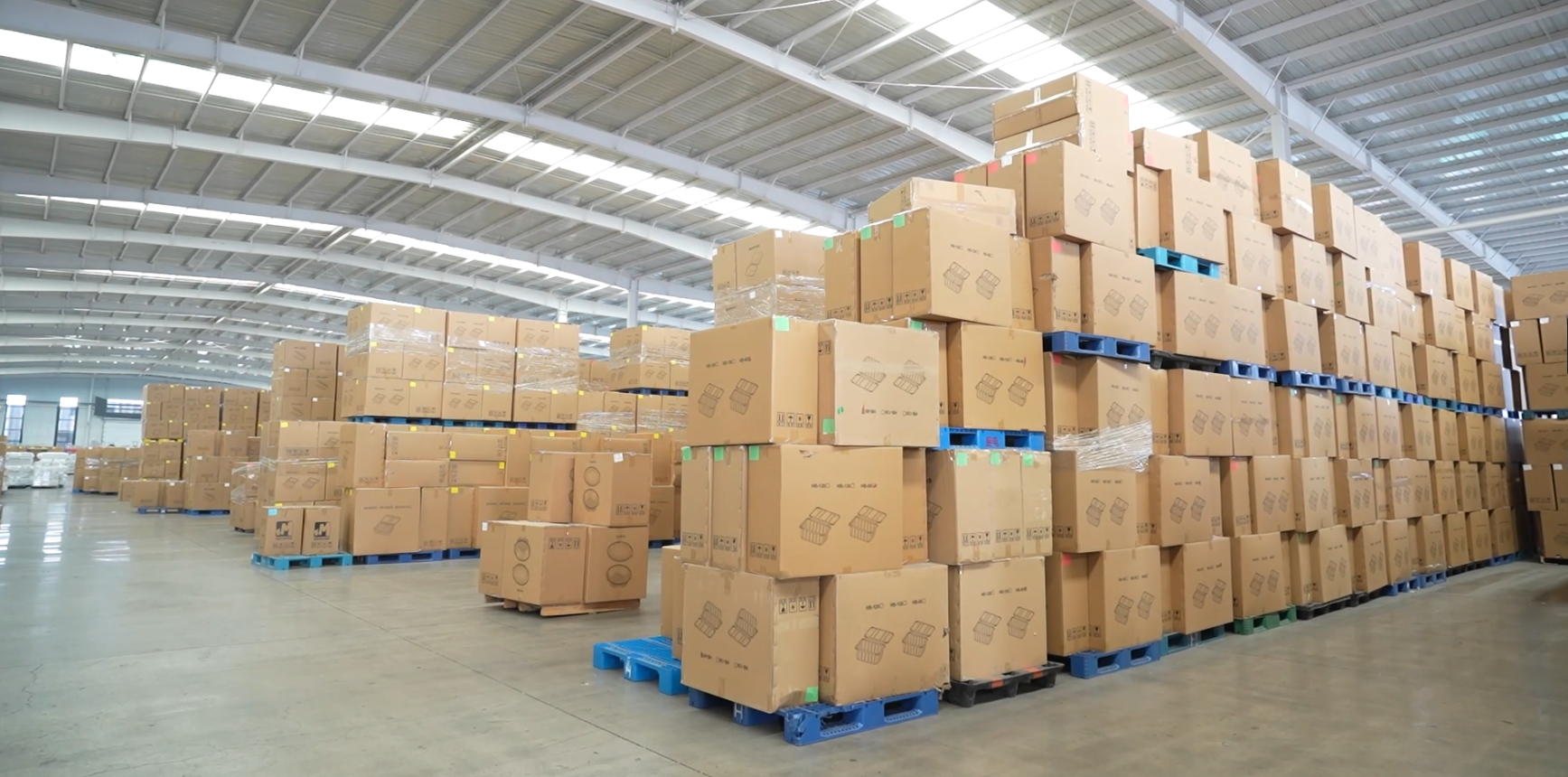
Product examples and terms in this article are drawn from CHUAN HE's published product, capability, certification, case, and purchasing-support information. Compliance documents should be checked against the specific product and destination before purchase.
Have Questions or Need More Details?
Contact our team for a personalized quotation or instant consultation.
Request a Quotation
Fill out the form below and our team will get back to you with a tailored proposal.
WhatsApp Direct Chat
Prefer to chat in real-time? Message us on WhatsApp for instant assistance & quick answers.
- Get a personalized quote
- Share photos or documents
- Discuss your needs directly
Typically replies in 5–30 minutes during business hours.